

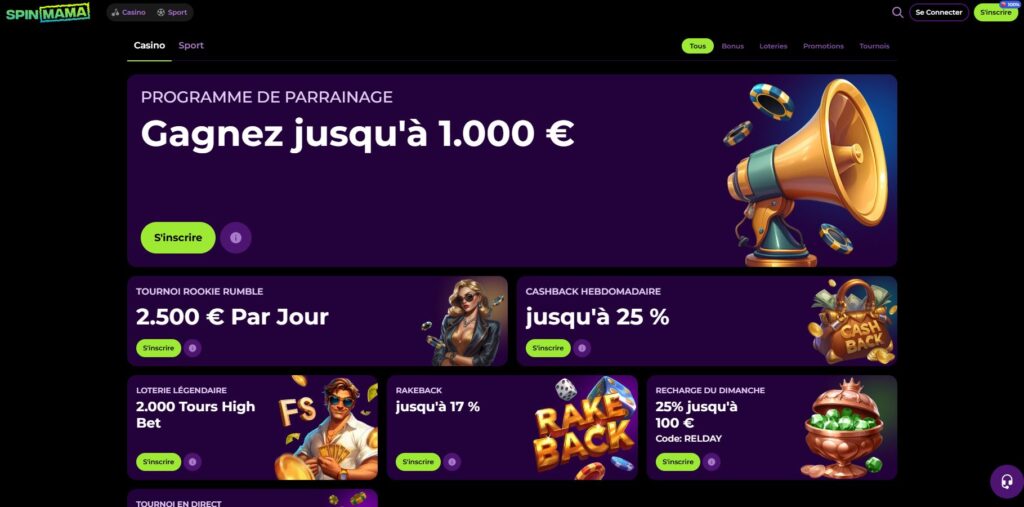
Most people who browse Spinmama Casino follow the privacy notice and skip reading it entirely. They think it’s just a boring legal shield. I see my role differently. I want to walk you through exactly what takes place on that page, so you can grasp why every data point we gather has a specific function — from age verification to affiliate programme reporting — and how Belgian and European law shapes every choice we take.
Your Rights Under the General Data Protection Regulation
I wish you to feel confident applying your GDPR rights with us. The right of access permits you to ask for a copy of all personal data we hold about you at any time. When such a request reaches my desk, I verify your identity, gather the information in a structured, commonly used format and respond within one month.
If you discover inaccuracies, the right to rectification permits you to fix them. I request you to flag outdated address details or spelling errors promptly, because inaccurate data can delay withdrawals and hinder KYC re-verification. I then refresh our systems and inform any third parties to whom the data was disclosed, unless that proves impossible or disproportionate.
The right to erasure, often known as the right to be forgotten, is not absolute in the casino context. I must offset it against our obligation to retain records for AML supervision and responsible gaming measures. While I can delete marketing profiles and unused accounts quickly, core transaction logs will stay for the mandatory retention period. I always detail any refusal to erase based on legal grounds.
You also have the right to restrict processing and the right to data portability. Restriction is logical when you dispute accuracy or oppose to processing while we look into. Portability signifies I can transfer your basic account data directly to another controller if you opt to switch platforms, as long as the transfer does not undermine the security of our systems or the privacy of others.
The way Affiliate Programmes Create Shared Data Flows
Affiliate partnerships play a key role in our growth, but they also generate data flows that I handle responsibly. When you arrive at Spinmama Casino through an affiliate link, a click identifier gets saved in a first-party cookie. That identifier indicates which affiliate referred you, but it does not, by itself, expose your name or personal details.
Once you register and deposit, our system associates the affiliate tag to your account event. I then share certain non-personal metrics with the affiliate partner: typically a hashed or anonymised user ID, registration date, deposit amount and net gaming revenue attributable to that account. I never reveal your real name, contact information or full payment details to an affiliate.
Before we integrate any affiliate, I demand a signed data processing agreement that mirrors the standards of our own privacy policy. The agreement forbids the affiliate from re-identifying users or combining our data with other sources in a way that would circumvent GDPR protections. I periodically check compliance and cut ties with partners who violate these rules.
I also make sure that you are notified about this sharing before it happens. Our cookie consent layer clearly marks affiliate tracking as a subcategory of functional or marketing cookies, depending on its configuration. You hold the right to refuse non-essential cookies, but please be aware that blocking affiliate tracking will simply mean we cannot attribute your registration to any partner, which may affect any promotional offers you expected.
Which Information We Collect and The Purpose
When you open an account at Spinmama Casino, I ask myself whether or not each data field is genuinely necessary. Registration usually requires your name, date of birth, address, email and phone number. I require those to verify you are of legal age, to communicate with you and to follow anti-money laundering rules that call for accurate customer identification.
Beyond registration, our systems log technical data every time you visit. I can view your IP address, browser type, device fingerprint and the pages you view. This information enables me detecting fraud, diagnosing performance issues and understanding how our site is used. I do not at any time use it to create invasive behavioural profiles for unrelated marketing.
Payment processing brings in financial data. Based on your chosen method, we may gather bank account details, card numbers or e-wallet identifiers. I direct our payment team to tokenise sensitive card data immediately, so that full numbers never remain in our own database longer than necessary. The token is useless outside our designated payment gateway.
I also aim to be candid about game logs and betting history. Every wager, win, loss and session timestamp is documented. This data is essential for dispute resolution, responsible gaming alerts and regulatory reporting. I restrict access to these logs to staff who need them for a specific purpose, and I check that access regularly.
The Legal Framework That Shapes Your Data Rights
When offering guidance on privacy issues in Belgium, I consistently begin with the General Data Protection Regulation. The GDPR applies directly to any entity processing the personal data of individuals in the European Economic Area, and Spinmama Casino is no exception. It grants you rights that override any contractual term we might attempt to impose.
Belgium adds its own layer through the Law of 30 July 2018 on the protection of natural persons with regard to the processing of personal data. This law covers the gaps where the GDPR allows member state discretion, for example regarding the processing of national identification numbers. We must respect that national layer alongside the European text.
I also keep the Belgian Gambling Act and its royal decrees nearby. The Act requires operators to confirm identity before granting access to real-money play. That obligation provides us with a clear legal basis to request and process identity documents, which means your consent is not the only basis we rely on for KYC data.
The ePrivacy Directive also impacts how we use cookies and similar tracking technologies. The Belgian implementation, monitored by the BIPT, mandates informed consent before we place non-essential trackers. I make sure our cookie banner and consent management platform reflect that requirement with genuine granular choice.
The method We Secure and Keep Your Information
I consider security as a continuous project, not a single checklist. Encryption secures your data both while it travels between your device and our servers and when it resides in our databases. I use TLS 1.3 for transmission and AES-256 encryption for storage, and I refresh encryption keys according to a schedule that satisfies current industry standards.
Our primary data centres are located within the European Union and are audited against ISO 27001. I have inspected the facilities myself to verify the physical safeguards: biometric access controls, 24-hour surveillance and redundant power supplies. Infrastructure engineers conduct penetration tests at least twice a year, and any critical vulnerability is resolved within a set remediation window.
Storage periods are as vital as technology. I use different timetables for different data types. Payment records are kept for the legally required seven years, while customer service chat logs are normally deleted after twelve months unless a dispute is still open. I consistently clean inactive accounts and orphaned data that no longer fulfil a lawful purpose.
In the unlikely event of a personal data breach that creates a risk to your rights and freedoms, I am required to notify the Belgian Data Protection Authority within 72 hours. If the risk is significant, I will also inform you directly without undue delay, detailing what happened, what we are doing about it and which steps you should take to protect yourself.
The Function of KYC Checks in Data Handling
Customer Identification procedures are not a market option; they are a statutory requirement imposed by Belgian anti-money laundering legislation and our gaming licence requirements. When I ask you to upload a copy of your identity card, a latest utility bill or a bank statement, I am fulfilling a duty that protects both you and the wider financial system.
I process those documents with increased caution. Copies of ID cards are encrypted at rest and in transit, and I store them on access-controlled servers within the European Economic Area unless a specific derogation applies. Only our compliance officers can open those files, and only when a manual check is necessary or a supervisory authority requests an audit trail.
I also apply data minimisation principles to KYC files. If a passport photo page is sufficient to verify identity, I do not want the pages showing previous travel stamps. Similarly, a bank statement can be redacted to show only your name, address and the issuing institution. I encourage my team to guide you on safe redaction before you provide any document.
Once verification is done, I do not hold the raw documents indefinitely. Our retention schedule follows the five-year period recommended by anti-money laundering guidelines, after which the files are irreversibly erased or irreversibly anonymised. I will not hold your identity documents a day longer than my legal obligations demand.
FAQ
Does Spinmama Casino disclose my personal data to external entities?
No. I do not sell your private details for financial profit. The only third-party disclosures we perform are to service providers governed by strict data processing agreements — payment handlers, KYC verification platforms and hosting companies. These partners cannot utilize your data for their own purposes, and I monitor their conformity through regular audits and contractual duties.
For how long do you keep my identification documents after KYC?
I hold records of ID documents and proof of address for five years after the termination of our business relationship, in compliance with Belgian anti-money laundering requirements. Once that retention window expires, the files are safely deleted from our encrypted vault. If you close your account sooner, the timer starts from the closing date, but the basic legal retention still remains in effect.
Can I ask for deletion of my membership and all linked information?
You may ask for deletion, and I will erase all data that is exempt from a legal retention obligation. This generally implies your marketing data, choices and any unnecessary metadata are removed quickly. Nevertheless, transaction logs, KYC records and responsible gaming markers must be retained for the timeframes stipulated by gambling and AML rules. I will offer you a comprehensive list of what stays and the rationale.
What becomes of my data if I join through an affiliate link?
When you click an affiliate link, a first-party cookie stores a referral identifier spinmamas.eu. If you register and deposit, the affiliate receives a hashed user reference, registration date and aggregated wagering metrics — not your name, email or payment details. This sharing is controlled by a data processing agreement that forbids re-identification, and you can decline affiliate tracking cookies via our consent banner without affecting core site functionality.
Who manages data protection complaints in Belgium?
The Belgian Data Protection Authority (Gegevensbeschermingsautoriteit / Autorité de protection des données) is in charge of enforcing the GDPR at national level. You can file a complaint with them at Drukpersstraat 35, 1000 Brussels, or via their website, if you feel I have mishandled your information. I also encourage you to get in touch with our Data Protection Officer first, so we can resolve the issue directly.
The reason a Casino Privacy Policy Goes Beyond a Simple Formality
I frequently hear that privacy policies serve only to safeguard companies from lawsuits. The reality has greater subtlety. A properly written policy represents a commitment to you. It establishes the parameters for what we can and cannot do with your personal information, and it offers you the ability to make any operator answerable if something goes wrong.
For a authorized casino targeting Belgian players, that promise is not optional. The Belgian Gaming Commission and the Data Protection Authority expect clear, accessible documentation. When I examine a privacy notice, I search for concrete details about retention periods, international transfers and the legal basis for processing. Vague language is a red flag.
In my experience, a transparent privacy policy also reduces friction. When you understand why we need a copy of your identity card or why a cookie monitors an affiliate link, you are considerably less prone to suspect misuse. That trust lets us maintain a smoother operation and makes our compliance load easier to handle.
Finally, a solidly designed privacy policy serves as an internal guide. It compels each department — marketing, payments, customer support — to harmonize its daily operations with the same data protection principles. Without that documented guideline, even well-meaning teams can drift into risky territory.